Should I Waive the Home Inspection to Win a House on Long Island?
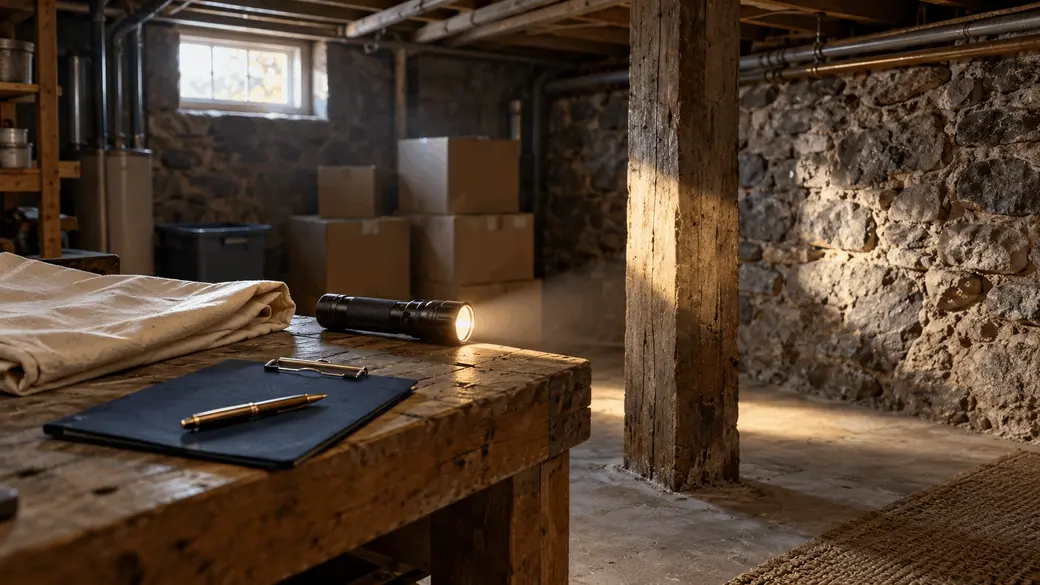
The listing agent mentioned it casually, the way you'd mention the weather: the other buyers probably wouldn't bother with an inspection. My buyers looked at me. I looked at the basement stairs.
Quick answer: On Long Island, waiving the home inspection is almost never the move that wins you the house, and it's the one move you can't undo. A short inspection window, an inspection limited to major issues (not a repair wish list), real financing strength and a clean timeline usually make your offer just as strong without the blindfold.
Why buyers are being asked to skip it
Nationally, about 1 in 5 buyers waived the inspection contingency in NAR's September 2026 Realtors Confidence Index. That number gets passed around open houses like a dare. When a home gets multiple offers, someone will hint that the "serious" buyers are going in without one.
Here's the part nobody explains at the open house. In most Long Island deals, your inspection happens after your offer is accepted and before the contract is signed. Your attorney is drafting the contract while you inspect. So "waiving" usually means signing a binding contract and putting your down payment deposit on the line for a house you've only seen during a short showing, with the lights on and the furniture in place.
What I found under a pile of junk
A young couple I'll call Chris and Dana fell in love with a brick Tudor in Queens. Beautiful details, great light, and priced roughly $70K to $80K above what my own numbers said it was worth. The listing agent let us know other buyers would skip the inspection.
At the first showing, I noticed what looked like termite powder along the basement walls. Most people walk right past it. On a second showing, I moved the junk that was piled against the foundation wall, and there it was: structural damage to the beam.
I told them to walk away. It wasn't what they wanted to hear about a house they loved. They trusted the advice, kept looking, and later bought in New Hyde Park. Since then they've sent me five referrals. Not because I found them a house. Because I talked them out of the wrong one.
"Never skip the inspection. Skip the nitpicking."
The real reason offers lose (it's not the inspection)
Homeowners and their agents aren't afraid of inspections. They're afraid of what comes after: the long repair list, the "can you knock something off for the windows," the deal that drags on for weeks and then dies. That's the risk they're pricing in. Remove that fear and the inspection stops being a weakness.
Waive it vs. keep it the smart way
| Waive the inspection | Keep it, the strong way | |
|---|---|---|
| What the homeowner hears | "No surprises from this buyer." | "Fast, focused, and they won't nickel-and-dime us." |
| Your exposure | Structural, roof, oil tank, cesspool, sewer line, water: all yours, sight unseen | You find the deal-breakers before you sign |
| Timeline impact | None | Usually just a few days if you book the inspector the day the offer is accepted (estimate) |
| Cost | $0 up front | Usually a few hundred dollars plus any specialty tests; get quotes (estimate) |
| If something big turns up | You own it | You can walk before the contract is signed (confirm with your attorney) |
How my buyers win without skipping it
I've watched buyers win with lower numbers than the competition and with the inspection still in place. A few things I've seen work, over and over:
Say "major issues only"
On as-is listings, I tell the listing agent upfront: my buyer is inspecting for major issues, not credits. That one sentence changes the conversation. Have your attorney handle the exact wording.
Shrink the window
Have your inspector lined up before you make the offer. Inspect within days, not "sometime next week."
Show real financing
A lender pre-commitment that's already been through underwriting tells the homeowner the deal won't fall apart later. That's worth more to them than a waived inspection.
Give them the timeline they need
Ask what the homeowner's move looks like. A flexible closing that fits their life has beaten higher offers for my buyers.
One of my buyers was competing on a house where the other offers were $850K and $865K. We came in at $840K, with the inspection kept. What won it was a flexible closing of about three months that fit the homeowners' family situation, and presenting the offer in person. Lower price. Inspection intact. Accepted.
Before you sign anything without an inspection, check these
- Basement walls, beams and anything hidden behind storage or finished walls
- Signs of wood-destroying insects (ask whether your inspector covers this or you need a separate termite inspection)
- Roof age and past leaks
- Oil tank history, especially an underground tank
- Cesspool or septic system, if the home isn't on sewers
- Water: stains, efflorescence, a fresh coat of paint in only one spot
- Permits and certificates of occupancy for finished basements, dormers and additions
Ask yourself one honest question: if the beam in that basement were cracked, would you rather find out this week, or after you've closed and the moving truck is gone?
Frequently asked questions
Should I waive the home inspection to win a house on Long Island?
In my experience, rarely. Waiving removes your chance to find major problems before you're bound by a contract. You can usually make your offer just as strong with a short inspection window, an inspection limited to major issues, solid financing and a timeline that fits the homeowner.
When does the home inspection happen in a Long Island purchase?
Usually after your offer is accepted and before the contract of sale is signed, while the attorneys are drafting and reviewing the contract. Ask your attorney how it will work in your specific deal.
Does New York require the homeowner to disclose problems?
Since March 20, 2024, New York homeowners selling most residential homes must provide a Property Condition Disclosure Statement, and the $500 credit option is gone. It covers what the homeowner knows; it does not require them to inspect the home. It is not a substitute for your own inspection. Your attorney can explain your rights under it.
What does "inspection for major issues only" mean?
It means you're inspecting to decide whether to buy, not to negotiate a list of small repairs. You're looking for structural, roof, water, systems, oil tank or sewage problems. Your attorney should handle the exact contract language.
Does a regular home inspection include termites?
Not always. Ask your inspector whether a wood-destroying insect inspection is included or needs to be ordered separately, especially for older homes and homes with wood close to the soil.
How much does a home inspection cost on Long Island?
It varies with the home's size, age and any specialty tests (termite, oil tank, sewer line, radon). Expect a few hundred dollars for a standard inspection and get quotes from licensed New York home inspectors. It's one of the smallest costs in the whole purchase.
Can I win a bidding war without being the highest offer?
Yes, it happens. Homeowners weigh price against certainty: financing strength, the appraisal, the timeline and how smoothly the deal will close. My buyers have won with lower offers by making it easier for the homeowner to say yes.
Buying on Long Island this season?
Tell me what you're looking for and what's worrying you. I'll read every answer myself before we talk, and you'll get a plan for offers that win without gambling on the house.
Start Your Home Buying Strategy Brief Book a Free Buyer Zoom- National Association of REALTORS®, Realtors Confidence Index, September 2026
- New York State Bar Association: Property Condition Disclosure Act amended
- New York Department of State: Home Inspector FAQ
Cost and timeline figures marked "estimate" are general ranges, not quotes. Stories are from my own deals with names and details changed.
This article is general information, not legal advice. Every deal is different. Talk to your attorney about your contract terms and your rights before waiving or limiting any contingency. Mo Elshamy is a Licensed Real Estate Associate Broker in New York.
Categories
Recent Posts