Why Overpricing Your Home Could Cost You Thousands of Dollars
The Biggest Pricing Mistake Long Island Sellers Make
Every seller wants to sell their home for the highest possible price.
There's nothing wrong with that.
The problem is that many sellers believe the way to get the highest price is to start high and "come down later."
In my experience, that's one of the most expensive mistakes a seller can make.
A while ago, I worked with a seller who received a very compelling cash offer shortly after listing his home.
The offer was strong.
The buyer was serious.
Everything looked great.
But the seller thought:
"What if someone else comes along and pays more?"
The buyer eventually walked away and purchased another home.
Months later, the seller ended up selling for approximately $50,000 less than the original offer.
That was an expensive lesson.
The Market Doesn't Care What You Need
I know this may sound blunt, but it's true.
The market doesn't care:
- How much money you need.
- How much money you spent.
- How much you owe.
- How emotionally attached you are to your home.
The market only cares about one thing:
How much a qualified buyer is willing to pay.
That's it.
Pricing Is a Marketing Strategy, Not an Ego Exercise
One of the biggest misconceptions I hear is:
"Let's list high and negotiate."
That strategy may work when you're buying tomatoes at a market.
It doesn't always work in real estate.
When you overprice your home, several things happen:
- Some buyers never even see your property because they've set price filters online.
- Serious buyers think you're unrealistic.
- Buyers assume the seller won't negotiate.
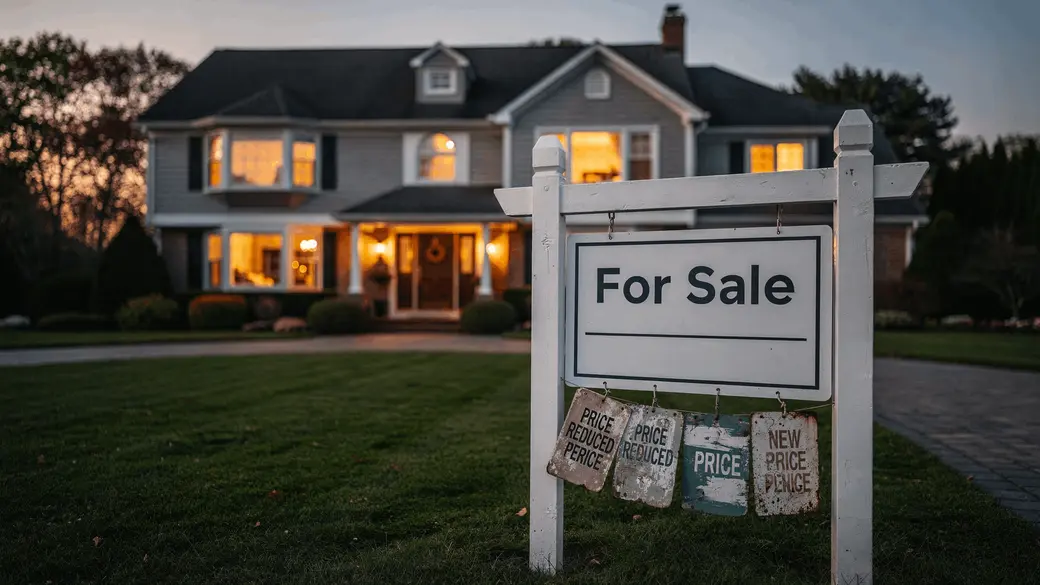
- Your home sits on the market.
Then the price reductions begin.
And that's when the problems really start.
The First Three Weeks Are Critical
The biggest activity usually happens during the first few weeks of a listing.
That's when:
- The most motivated buyers are watching.
- New listings receive the most attention.
- Excitement is highest.
If your home misses that initial wave because it's overpriced, you're often forced to chase the market later.
I tell my sellers:
I'd rather work my way up than work my way down.
Because once you start reducing the price repeatedly, buyers begin asking:
"What's wrong with the house?"
Even if there's absolutely nothing wrong with it.
You Can Always Come Down Later… Right?
Technically, yes.
But by then, you've already burned some of your best opportunities.
The first buyers who looked at your home may have:
- Purchased something else.
- Lost interest.
- Assumed you were unrealistic.
Repeated price reductions can create the impression that something is wrong with the property when that may not be the case at all.
"But I Spent So Much Money on the House"
I hear this all the time.
"I spent $50,000 on this."
"I spent $100,000 on that."
I understand.
But buyers don't automatically pay you back for every dollar you've spent.
You made many of those improvements for yourself and your enjoyment.
Buyers pay for the value they receive.
Not every dollar you invested.
For example, I once had a seller who proudly installed a brand-new above-ground swimming pool.
He loved it.
Many buyers who saw the property asked me:
"Can that be removed?"
Something that added value to him added little or no value to many buyers.
The lesson?
Always try to look at your home through a buyer's eyes.
"My Neighbor Sold for More"
Maybe.
But your neighbor may have:
- A larger home.
- A better location.
- More updates.
- A larger lot.
- Better layout.
- Or simply found the perfect buyer at the perfect time.
Every house is different.
Sitting next to the smartest student in class doesn't make you the smartest student.
And living next door to a house that sold for more doesn't automatically mean your home is worth the same amount.
What About Zillow?
I hear this all the time too.
"Zillow says my house is worth..."
Online estimates can be useful as a starting point.
But they don't always know:
- Your renovations.
- Your layout.
- Your condition.
- Your upgrades.
- Your unique characteristics.
No computer can walk through your home.
No computer can smell the basement.
No computer can see deferred maintenance.
No computer can understand every detail that makes your home unique.
Online estimates are tools.
They're not the Bible.
So What's the Right Pricing Strategy?
Price your home where it attracts buyers.
Generate interest.
Create activity.
Allow the market to respond.
Sometimes that even creates competition and drives the price higher.
Remember:
Pricing is one of the most powerful marketing tools you have.
Use it wisely.
Final Thoughts
If I could give every Long Island seller one piece of advice, it would be this:
Don't price your home out of the market. Have the market catch you before you start chasing the market.
Because once you're chasing the market, you're usually negotiating from a position of weakness.
And that can cost you both time and money.
Categories
Recent Posts